
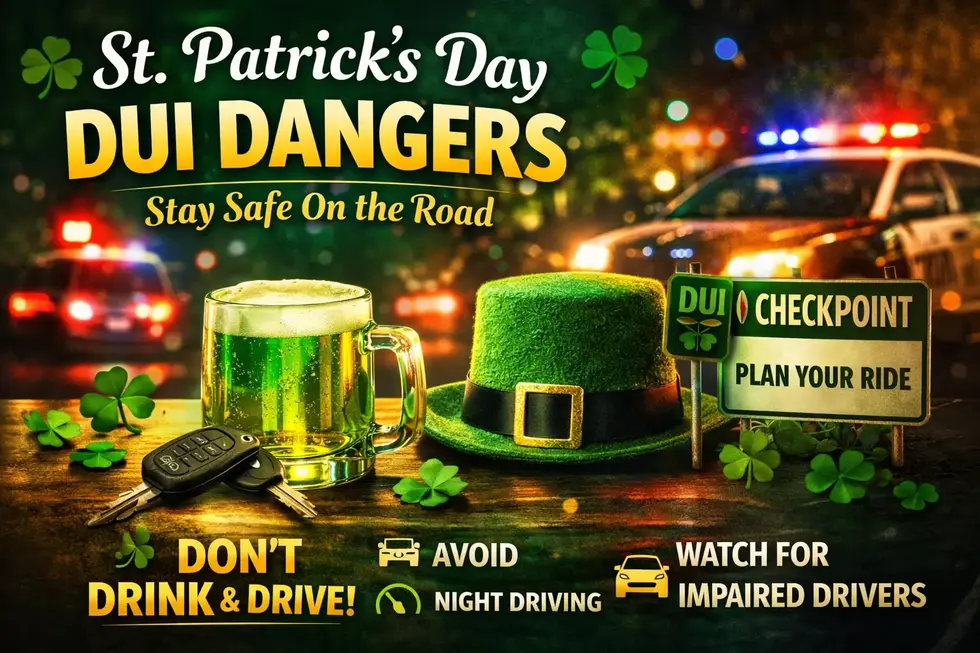
St. Patrick's Day is one of the most widely celebrated holidays in the United States. Every year on March 17, millions of people attend parades, visit bars, enjoy parties, and take part in festive events filled with music, green decorations, and traditional Irish drinks. While the holiday brings excitement and community celebration, it also brings a serious risk on the roads: drunk driving.
Law enforcement agencies across the country consistently report a spike in DUI arrests and alcohol-related crashes during St. Patrick's Day celebrations. Drivers heading home late at night often encounter impaired motorists who make dangerous decisions behind the wheel.
For responsible drivers, understanding the risks and planning ahead can make the difference between a safe holiday and a tragic accident. This guide explains why St. Patrick's Day can be dangerous for drivers, how to recognize drunk drivers on the road, and the steps you can take to stay safe.
Why St. Patrick's Day Is a High-Risk Holiday for DUI
Unlike some holidays that focus on family gatherings, St. Patrick's Day is strongly associated with social drinking and bar hopping. Cities across the United States host events such as:
-
Pub crawls and bar tours
-
Street festivals and parades
-
Late-night parties at bars and clubs
-
College campus celebrations
Because alcohol plays such a major role in these celebrations, many people underestimate how intoxicated they are before getting behind the wheel.
Transportation safety experts often identify St. Patrick's Day as one of the most dangerous nights of the year for impaired driving, especially in areas with busy nightlife districts.
Common factors that increase DUI risk on March 17 include:
-
Heavy alcohol consumption during bar crawls
-
Late-night driving between midnight and 3 a.m.
-
Crowded downtown streets near bars and restaurants
-
Drivers traveling long distances after drinking
These conditions create a perfect environment for alcohol-related accidents.
When Drunk Driving Is Most Likely on St. Patrick's Day
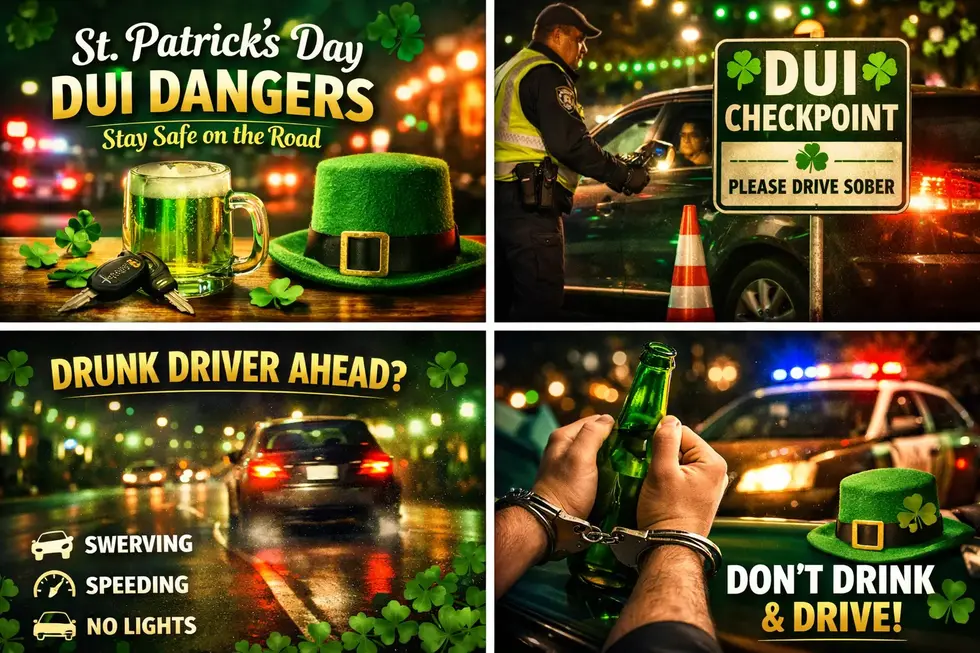
Most St. Patrick's Day celebrations begin in the afternoon and continue late into the night. However, crash data and law enforcement reports consistently show that the most dangerous driving hours occur late at night.
High-risk times include:
-
10:00 PM – 12:00 AM: Bars become crowded and people begin leaving parties.
-
12:00 AM – 2:00 AM: Peak DUI activity when many intoxicated drivers head home.
-
2:00 AM – 3:00 AM: Bar closing times in many cities lead to a sudden surge of traffic.
If possible, avoiding these hours can significantly reduce the chances of encountering an impaired driver.
Areas Where DUI Incidents Are More Common
On St. Patrick's Day, certain locations tend to experience more drunk driving incidents than others.
Drivers should be especially cautious in areas such as:
Downtown entertainment districts
Busy nightlife areas with multiple bars and clubs often see large crowds moving between venues.
Bar crawl routes
Organized pub crawls attract groups traveling from bar to bar throughout the evening.
Highways leading out of city centers
After events end, drivers often use major highways to return to suburban areas.
College towns and campuses
Universities frequently host large St. Patrick's Day celebrations.
Police departments often increase patrols and set up sobriety checkpoints near these high-risk areas.
Signs You May Be Driving Near a Drunk Driver
Recognizing impaired drivers early can help you avoid dangerous situations on the road. Drunk drivers often display specific patterns of erratic driving.
Watch for warning signs such as:
Swerving between lanes
A driver who cannot maintain a steady lane position may be impaired.
Sudden braking or acceleration
Inconsistent speed can indicate poor judgment or delayed reaction times.
Driving without headlights at night
Impaired drivers sometimes forget basic safety steps.
Tailgating or aggressive behavior
Alcohol lowers inhibitions and can lead to reckless driving.
Wide turns or drifting onto the shoulder
Loss of coordination often affects steering.
If you observe these behaviors, assume the driver may be impaired and take steps to keep your distance.
What to Do If You Encounter a Drunk Driver
If you believe a driver near you may be intoxicated, your priority should always be protecting yourself and other drivers.
Follow these safety steps:
1. Keep a safe distance
Do not attempt to pass or confront the driver if it feels unsafe.
2. Change lanes or take another route
Increase the space between your vehicle and the suspected drunk driver.
3. Avoid sudden movements
Maintain steady speed and predictable driving.
4. Call 911 if necessary
If the driver is clearly endangering others, safely report the situation to local authorities.
When reporting a suspected drunk driver, provide information such as:
-
Vehicle color and type
-
License plate number if possible
-
Location and direction of travel
-
Description of dangerous behavior
Your call could help prevent a serious accident.
DUI Checkpoints on St. Patrick's Day
Because of the increased risk of drunk driving, many police departments conduct sobriety checkpoints and saturation patrols during the St. Patrick's Day weekend.
At a DUI checkpoint, officers may:
-
Stop vehicles briefly to check for signs of intoxication
-
Ask drivers basic questions
-
Look for alcohol containers or impaired behavior
-
Conduct field sobriety tests if necessary
These checkpoints are typically placed in high-traffic areas near nightlife districts or on major roads leading away from celebration areas.
The purpose of these operations is to deter impaired driving and protect the public.
Drivers approaching a checkpoint should:
-
Slow down and follow officer instructions
-
Have identification ready
-
Remain calm and respectful
Most drivers pass through checkpoints in just a few seconds.
Smart Ways to Stay Safe on St. Patrick's Day
Planning ahead is one of the most effective ways to reduce risk on the road during holiday celebrations.
Consider these safety strategies:
Plan Your Transportation
If you plan to drink, arrange transportation before leaving home. Options include:
-
Ride-share services
-
Taxis
-
Public transportation
-
Designated drivers
Avoid Late-Night Driving
If possible, complete your travel earlier in the evening before intoxicated drivers begin leaving bars.
Stay Alert
Defensive driving is especially important during holidays associated with alcohol consumption.
Remain aware of:
-
Unusual driving patterns
-
Pedestrians leaving bars
-
Heavy traffic near event locations
Choose Safer Routes
Avoid major nightlife areas when possible and consider alternate roads.
Encourage Friends to Drive Responsibly
Many DUI incidents occur when people believe they are “okay to drive.” Encouraging responsible decisions among friends and family can prevent dangerous situations.
The Real Consequences of Drunk Driving
Driving under the influence is not only dangerous but also carries severe legal consequences.
A DUI arrest can result in:
-
Expensive fines and court fees
-
Driver's license suspension
-
Increased insurance costs
-
Mandatory alcohol education programs
-
Possible jail time
Beyond legal penalties, drunk driving accidents often cause serious injuries or fatalities, permanently affecting families and communities.
Choosing not to drive after drinking protects not only your own life but also the lives of everyone sharing the road.
Final Thoughts
St. Patrick's Day is meant to be a joyful celebration filled with traditions, music, and community events. Unfortunately, the combination of alcohol and late-night travel can make it one of the most dangerous holidays for drivers.
By understanding the risks, recognizing impaired drivers, and planning safe transportation, motorists can significantly reduce the chances of becoming involved in a drunk driving accident.
Whether you are celebrating with friends or simply commuting home, staying alert and making responsible choices helps ensure that everyone reaches their destination safely on St. Patrick's Day.

Comments
There are no comments for this post. Be the first and Add your Comment below.
Leave a Comment